Close your eyes for a second and picture this: a cast iron pan screaming hot, a thick cut sirloin hitting it with that aggressive, satisfying sizzle. The edges of the steak go deeply golden in minutes. Then comes the butter A generous knob hitting the pan and foaming up instantly followed by whole garlic cloves and a sprig of fresh thyme. The smell that fills your kitchen at that exact moment is one of the greatest things a home cook can experience.
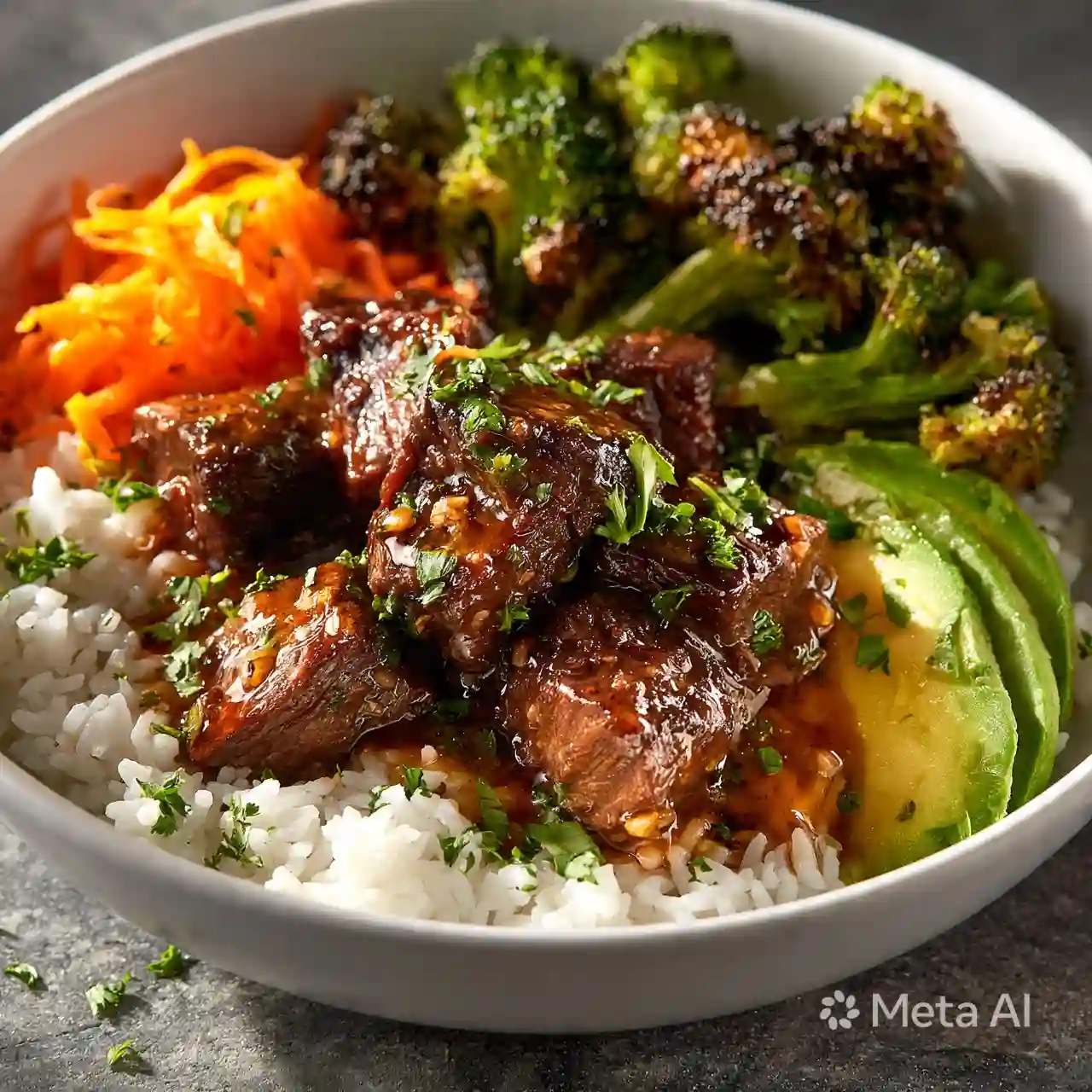
Now imagine all of that the richest, most buttery, most perfectly seared steak sliced and laid over a warm bowl of fluffy rice, surrounded by roasted vegetables, finished with a drizzle of that garlic infused brown butter from the pan.
That’s the Garlic Butter Steak Bowl. And it’s going to ruin restaurants for you.
I developed this recipe because I was tired of paying $40 for a steak bowl at a restaurant that was good, but not this good. Once you learn the technique the proper sear, the basting, the rest you realize that a steakhouse-quality bowl is completely achievable at home, on a Tuesday, in under 35 minutes.
It’s the kind of dinner that feels indulgent but isn’t complicated. It’s the kind of meal that gets quiet at the table in the best possible way. If you love satisfying, flavor-forward dinners like Garlic Butter Steak Bites Recipe, you already know what kind of recipe this is the kind that earns a permanent spot in your rotation.
Related Recipes
Beef Steak Flank Recipe–Juicy and Easy to Make
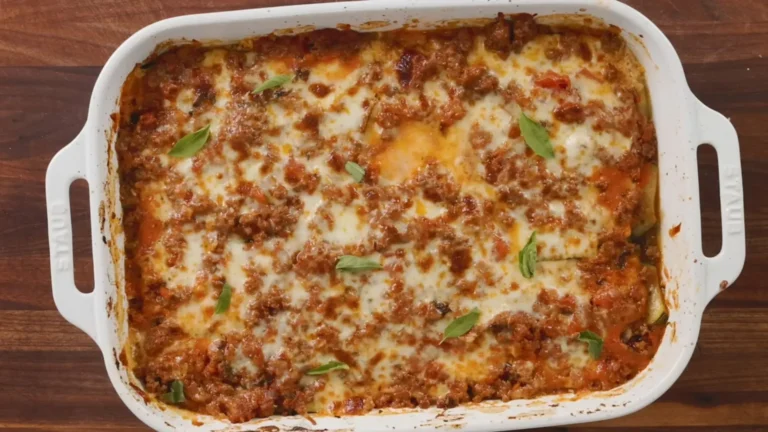
Philly Cheesesteak Pasta Skillet
Easy to Make Steak Sandwich Recipe
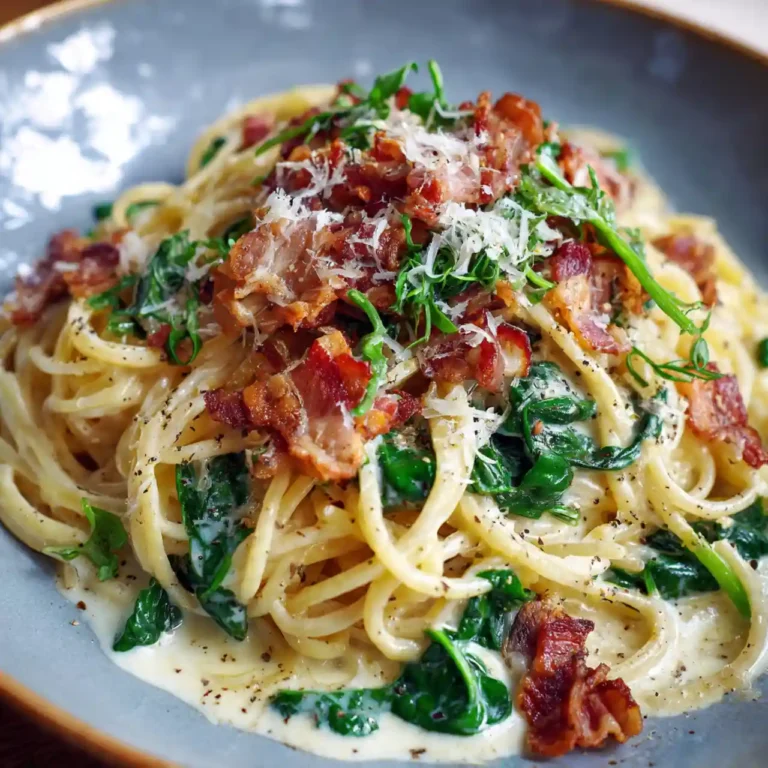
Garlic Butter Steak Rice
What Is a Garlic Butter Steak Bowl?
A Garlic Butter Steak Bowl is a build your own bowl meal built around perfectly seared, thinly sliced steak that’s been basted in a fragrant garlic butter sauce. The steak is served over a base usually fluffy white rice, but grain options work beautifully too alongside roasted or sautéed vegetables and finished with fresh toppings and a drizzle of the pan sauce.
What separates this from a basic steak and rice dinner is the garlic butter basting technique. As the steak cooks, you spoon hot, garlicky, herb infused butter over it repeatedly this is called arrosage or basting, and it’s the secret behind restaurant-quality crust and deeply flavored meat.
That same butter, once the steak is done, becomes the sauce for your entire bowl. It gets poured over the rice, the vegetables, the steak slices. Everything gets touched by it. Everything benefits.
It’s rich. It’s savory. It’s the definition of a complete, satisfying dinner.
Why You’ll Love This Recipe
- It tastes like a steakhouse at a fraction of the price. A good sirloin or ribeye at home costs a third of what you’d pay at a restaurant, and with this technique, the result is genuinely better.
- It’s done in 35 minutes. No marinating required, no oven time, no complicated prep. The cast iron does most of the work.
- The garlic butter sauce is everything. That pan sauce golden, garlicky, herbs-flecked, slightly nutty from browning makes the entire bowl cohesive and luxurious.
- Completely customizable. Swap the rice for farro, the vegetables for whatever’s in your fridge, the steak cut for whatever looks best at the butcher. It adapts without losing what makes it great.
- Meal prep friendly. The steak and rice both reheat beautifully, making this a brilliant Sunday prep for a week of fast, satisfying lunches.
How This Recipe Works
- High heat creates the crust. Steak doesn’t brown in a lukewarm pan it steams. You need a screaming-hot cast iron or stainless pan to trigger the Maillard reaction, which is the chemical process that creates that deep golden-brown crust and the complex, savory flavors that come with it. Don’t rush the preheat.
- Butter basting amplifies flavor and keeps the meat moist. Once the steak has its initial sear, you add butter, garlic, and herbs and continuously spoon the foaming butter over the top of the steak. This bastes the meat in fat and aromatics at the same time, building layer after layer of flavor.
- Resting preserves juiciness. When steak comes off heat, the muscle fibers are tense and contracted. Resting for 5–8 minutes allows them to relax and reabsorb the juices that have been pushed to the center. Slice too early and those juices run right out. Patience here is always rewarded.
- The bowl format balances richness. The butter-basted steak is intensely rich and savory. The rice absorbs the pan sauce and becomes deeply flavored without being heavy. Fresh toppings — herbs, sliced avocado, a hit of acid — lift everything and prevent the bowl from feeling one-dimensionally indulgent.
Ingredients
For the Steak
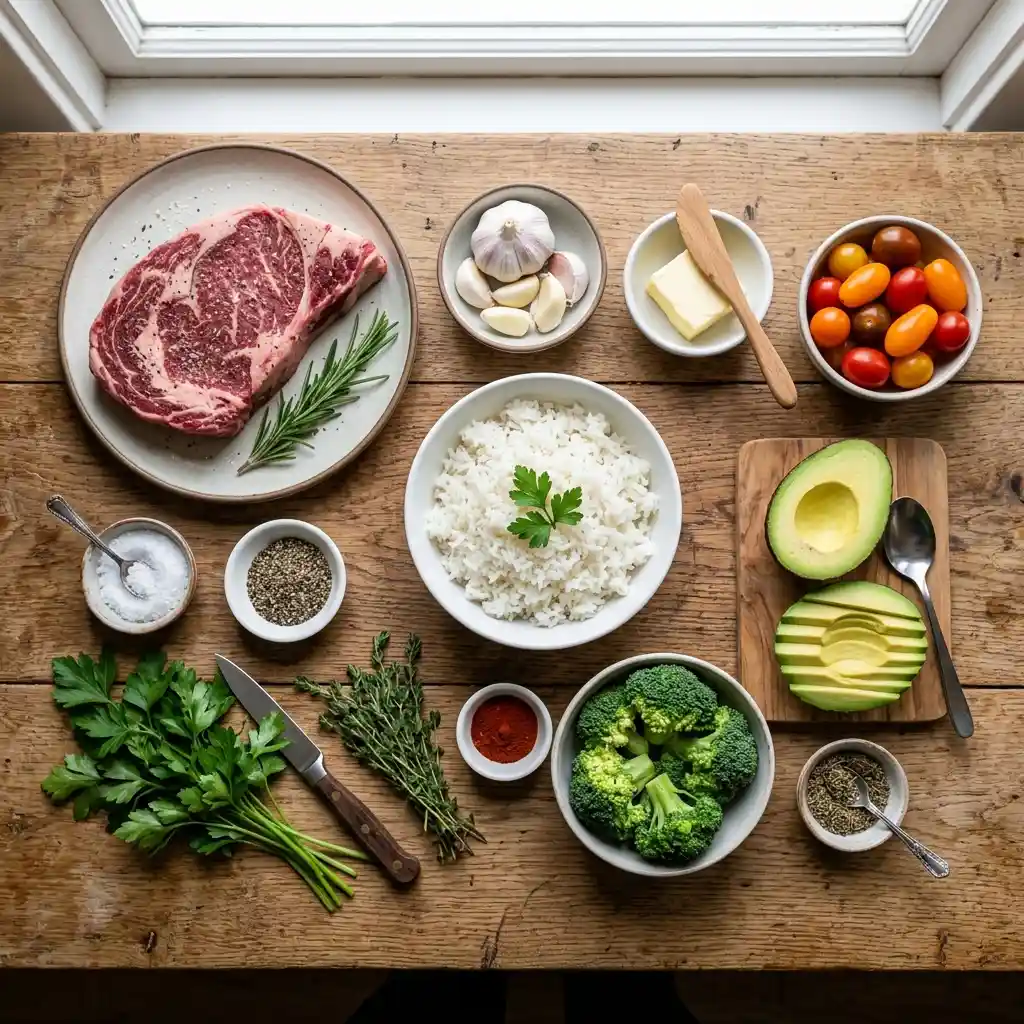
- 1.5 lbs sirloin, ribeye, or New York strip steak about 1 inch thick; one large steak or two smaller ones
- 1 tsp kosher salt
- ½ tsp freshly cracked black pepper
- ½ tsp garlic powder
- 1 tbsp neutral oil avocado oil or vegetable oil; not olive oil, which burns at high heat
For the Garlic Butter
- 3 tbsp unsalted butter
- 4–5 garlic cloves, smashed smashed (not minced) so they release flavor without burning
- 2 sprigs fresh thyme or 1 sprig fresh rosemary; both are classic
- Pinch of flaky sea salt, for finishing
For the Bowl Base
- 2 cups cooked white rice jasmine or long grain; or substitute brown rice, farro, or cauliflower rice
- 2 cups broccoli florets or broccolini, asparagus, or green beans
- 1 cup cherry tomatoes, halved
- 1 tbsp olive oil, for roasting vegetables
- Salt and pepper, to taste
For Toppings and Finishing
- 1 avocado, sliced
- 2 green onions, thinly sliced
- Fresh parsley, roughly chopped
- 1 tsp soy sauce or Worcestershire sauce, stirred into the pan sauce (optional but adds umami depth)
- Lemon wedges, for serving
- Sriracha or chili crisp, optional for heat
Substitution notes: Flank steak or skirt steak work well and are more budget-friendly — just slice against the grain very thinly after resting. Ribeye is the most indulgent option if you want maximum richness. For a dairy-free version, use ghee instead of butter for a similar flavor and even higher smoke point. The vegetables are completely interchangeable use what you have or what’s in season.
Step-by-Step Instructions
Step 1: Cook Your Rice and Prep Vegetables
Get your rice going first it takes the longest. Cook according to package instructions. While it cooks, preheat your oven to 425°F. Toss the broccoli (or your chosen vegetable) with olive oil, salt, and pepper, spread on a baking sheet, and roast for 18–20 minutes until the edges are golden and slightly crispy.
If you prefer to skip the oven, the vegetables can also be sautéed in a pan alongside the steak prep just cook over medium-high heat until tender and slightly charred.
Step 2: Bring Steak to Room Temperature and Season
Take the steak out of the refrigerator at least 15 minutes before cooking. This matters a cold steak goes into a hot pan and the outside overcooks before the center reaches the right temperature.
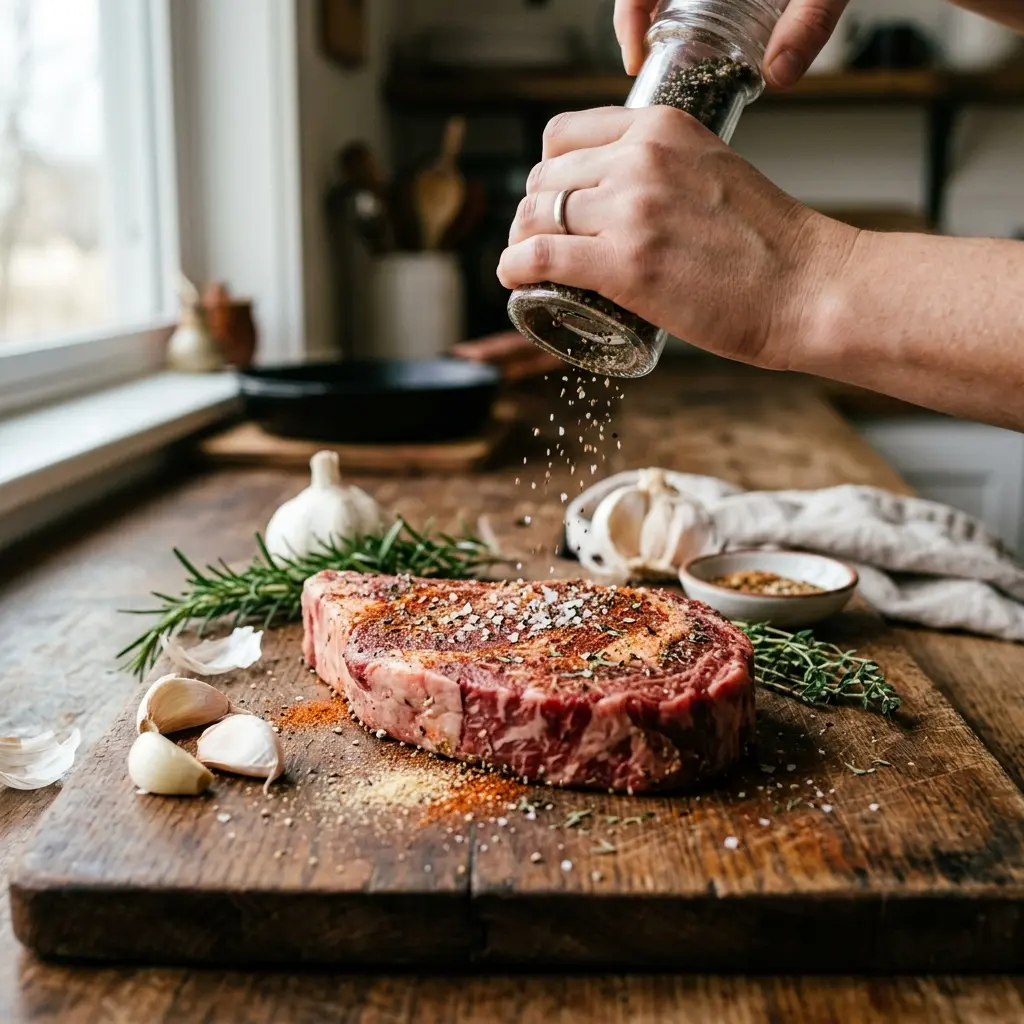
Pat the steak completely dry on both sides with paper towels. This is the single most important thing you can do for a good sear. Season generously on both sides with kosher salt, black pepper, and garlic powder. Press the seasoning gently into the surface.
Step 3: Sear the Steak
Heat a cast iron skillet or heavy stainless pan over high heat for 2–3 full minutes longer than you think you need. Add the neutral oil and let it heat until it starts to shimmer and just barely smoke.
Place the steak in the pan and do not move it. Resist every urge to poke, press, or shift it. Cook for 3–4 minutes without disturbing until a deeply golden, mahogany crust forms. You should hear a consistent, aggressive sizzle the entire time. If the sizzling dies down, your pan wasn’t hot enough.
Flip the steak once. Cook for another 2–3 minutes on the second side.
Step 4: Baste with Garlic Butter
This is the magic step. Reduce the heat to medium. Add the butter, smashed garlic cloves, and thyme sprigs directly to the pan alongside the steak. The butter will foam immediately that’s good.
Tilt the pan slightly toward you so the butter pools at one edge. Using a large spoon, scoop the foaming butter and pour it continuously over the top of the steak. Keep basting scoop, pour, scoop, pour for about 60–90 seconds. The steak will take on a glossy, deeply golden sheen. The garlic will turn lightly golden and fragrant. The kitchen will smell extraordinary.
Step 5: Rest the Steak
Transfer the steak to a cutting board and let it rest, loosely tented with foil, for 5–8 minutes. Do not skip this. The internal temperature will continue to rise slightly (called carryover cooking), and the juices will redistribute throughout the meat.
While the steak rests, keep the pan over low heat. Add a small splash of soy sauce or Worcestershire if using, and stir the garlic butter gently. This is your bowl sauce. Keep it warm.
Step 6: Slice and Assemble
Slice the steak against the grain into ½-inch strips. Slicing against the grain shortens the muscle fibers and makes each piece significantly more tender always worth the extra second of attention.
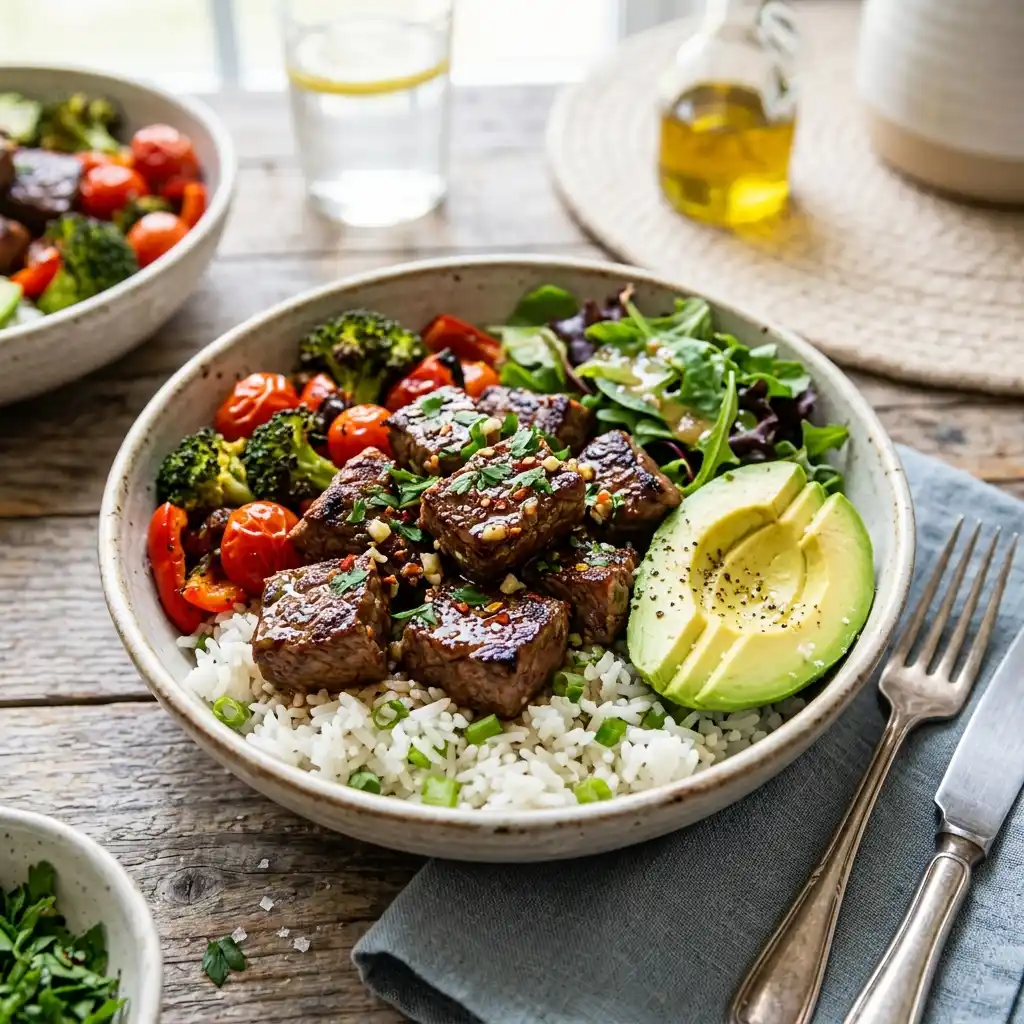
Add a scoop of rice to each bowl. Arrange the sliced steak over the rice, then add the roasted vegetables and cherry tomatoes alongside. Fan out avocado slices, scatter green onions and fresh parsley over the top.
Spoon the warm garlic butter pan sauce over everything rice, steak, vegetables, all of it. Finish with a pinch of flaky sea salt and a squeeze of lemon. Serve immediately.
Tips & Flavor Variations
Tips for the best results:
- Preheat the pan longer than feels necessary. A properly preheated cast iron is the single biggest difference between a seared steak and a steamed one. Go full 2–3 minutes on high before adding oil.
- Season generously. Steak can handle more salt than you think. Under-seasoned steak is flat and disappointing. Don’t be shy.
- Use smashed garlic, not minced. Minced garlic burns in a hot pan almost instantly. Smashed cloves release their flavor more slowly and can withstand the heat for the basting step without turning bitter.
- Buy a meat thermometer. It’s a $10 investment that removes all guesswork. Medium-rare is 130–135°F. Medium is 140–145°F. Pull the steak 5 degrees before your target since it will continue cooking as it rests.
Flavor Variations:
- Spicy version: Add a tablespoon of chili crisp or gochujang to the pan sauce, or finish with a generous drizzle of sriracha over the assembled bowl.
- Asian-inspired: Swap the thyme for fresh ginger in the butter baste, add a teaspoon of sesame oil to the pan sauce, and top with sesame seeds and pickled cucumber.
- Chimichurri finish: Skip the pan sauce as a drizzle and spoon vibrant green chimichurri over the sliced steak instead — it’s a completely different flavor profile and equally incredible.
- Lower-carb version: Serve over cauliflower rice and add extra roasted vegetables. The garlic butter sauce makes cauliflower rice taste genuinely indulgent.
- Budget-friendly: Use flank steak instead of sirloin or ribeye — it’s significantly cheaper, and sliced thin against the grain, it’s incredibly tender and beefy.
Make-Ahead, Storage & Freezing
Make-ahead: The rice can be cooked up to 3 days ahead and stored in the fridge. Vegetables can be roasted the day before and reheated quickly in the oven or a pan. The steak is best cooked fresh, but cooked and sliced steak keeps in the fridge for up to 3 days.
Storage: Store components separately in airtight containers in the refrigerator for up to 3–4 days. Keeping everything separate preserves texture the steak won’t steam sitting in rice overnight.
Reheating: Reheat steak slices quickly in a warm skillet for 1–2 minutes per side rather than microwaving — it keeps the edges from going rubbery and revives some of that seared texture. Rice reheats well with a splash of water in the microwave.
Freezing: Cooked steak freezes reasonably well for up to 2 months. Slice before freezing, store in a flat layer, and thaw overnight in the fridge before reheating. Texture will be slightly softer but the flavor holds up well.
Serving Suggestions
The Garlic Butter Steak Bowl is a complete, satisfying meal all on its own but it plays beautifully as part of a bigger spread.
For a dinner party situation, this steak bowl pairs wonderfully with a light, fresh starter. Something like a simple arugula salad with lemon vinaigrette cuts through the richness of the garlic butter perfectly. A chilled glass of red wine a Cabernet or Malbec is essentially mandatory.
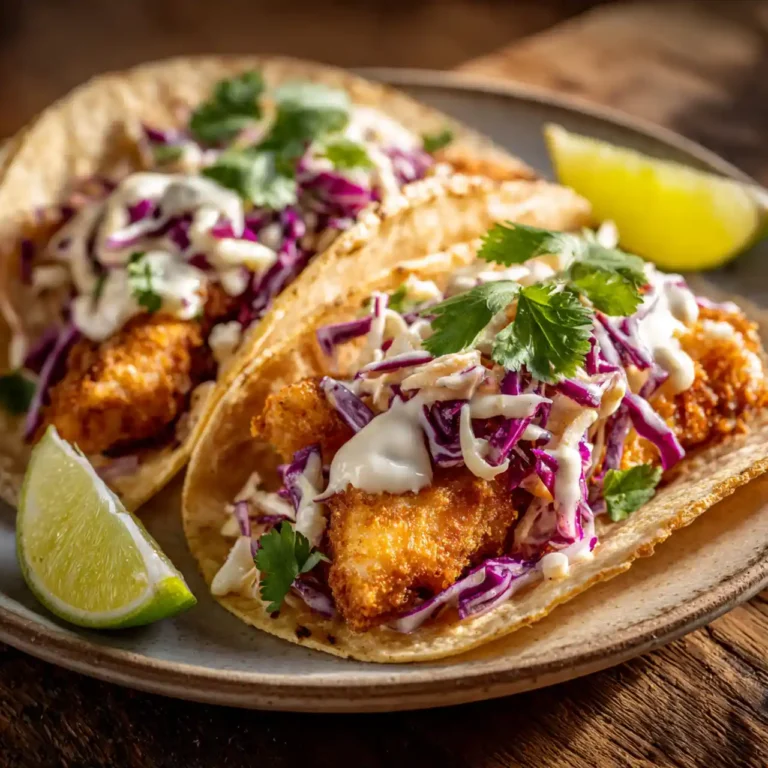
If you’re feeding a crowd with varied tastes, set up a bowl bar: steak in the center, rice, roasted vegetables, and toppings all in separate dishes. Everyone builds their own bowl, which is always a hit and takes the pressure entirely off plating. Pair that with something like Crispy Air Fryer Fish Tacos as a second protein option and you’ve got a spread that covers every preference at the table.
For a cozy, low-effort weeknight, the steak bowl makes a perfect hearty main after a simple soup starter like Hearty Stuffed Bell Pepper Soup with Ground Turkey though the two together is quite a meal, so go light on portions of one or the other.
And if you have leftover steak and pan sauce the next day, slice the steak even thinner and pile it into a warm tortilla with fresh salsa for arguably the best next-day lunch imaginable.
Nutritional Notes
Approximate values per serving (based on 4 servings with white rice, broccoli, avocado, and standard toppings):
| Nutrient | Amount |
|---|---|
| Calories | ~620 kcal |
| Protein | ~45g |
| Carbohydrates | ~38g |
| Fat | ~28g |
| Fiber | ~5g |
| Sugar | ~3g |
| Sodium | ~580mg |
Values are estimates and will vary based on steak cut and fat content, portion sizes, and specific toppings used. Using cauliflower rice reduces carbohydrates significantly.
Common Mistakes to Avoid
1. Not drying the steak before searing. Moisture on the surface of the meat creates steam in the pan, which prevents browning. Dry your steak thoroughly — paper towels, both sides, pressed firmly. Every time.
2. Moving the steak too soon. A properly searing steak will naturally release from the pan when it’s ready to flip. If you try to move it and it resists, it’s not ready. Give it another 30–60 seconds and try again.
3. Burning the garlic butter. The basting step happens over medium heat, not high. If the butter turns dark brown and smells bitter rather than nutty, your heat is too high. You want the butter golden and foamy, not dark and acrid.
4. Slicing with the grain. Slicing parallel to the muscle fibers makes each piece tough and chewy. Always look at the direction the fibers run across the steak’s surface and cut perpendicular to them. This is the difference between a tender bite and a jaw workout.
5. Skipping the resting step. It bears repeating because it’s skipped so often. Cut into a hot steak immediately and the juices pour out onto your cutting board. Rest it for 5–8 minutes and those juices stay where they belong — in the meat.
FAQs
What’s the best cut of steak for a steak bowl? Sirloin is the best all-around choice — it has great beefy flavor, enough marbling to stay juicy, and is reasonably priced. Ribeye is more indulgent with more fat and flavor. New York strip falls somewhere in between. Flank or skirt steak is the most budget-friendly option and works beautifully if sliced very thin against the grain.
How do I know when the steak is done without a thermometer? The hand/poke test is the classic method: press the center of the steak with your finger. Medium-rare feels similar to the fleshy part of your palm at the base of your thumb when relaxed; medium feels firmer, like that same spot with your thumb and middle finger touching. That said, a $10 instant-read thermometer removes all guesswork and is genuinely worth buying.
Can I make this in an oven instead of a stovetop? You can, but you’ll lose the crust. For an oven version: sear the steak in a cast iron for 2 minutes per side on the stovetop, then transfer to a 400°F oven for 5–8 minutes (for medium-rare on a 1-inch steak). Baste during the oven time if you can, or baste right when it comes out before resting.
Can I use a different protein? Absolutely. Garlic butter basting works brilliantly with thick salmon fillets, bone-in chicken thighs, or even large shrimp. The technique is the same; just adjust cook times accordingly. Shrimp will cook in about 2 minutes total; chicken thighs will need 6–7 minutes per side.
Why does restaurant steak taste so different from homemade? A few reasons: restaurants use extremely high heat (commercial ranges go far hotter than home stoves), they season very aggressively, they use significantly more butter than feels comfortable, and they let the steak rest properly before service. This recipe addresses all of those factors — the cast iron on maximum heat, generous seasoning, a full 3 tablespoons of butter, and the mandatory rest.
Can I make this dairy-free? Yes. Substitute ghee for butter it has a similar rich, nutty flavor and actually has a higher smoke point, which makes it excellent for basting. Coconut oil works in a pinch but will add a slight sweetness and a different flavor profile.
Conclusion
The Garlic Butter Steak Bowl is weeknight cooking at its most satisfying the kind of dinner that punches so far above its weight class that you find yourself making it just because you want it, not because you have to feed anyone.
Once you learn the basting technique and feel the difference a proper sear and rest make, you start applying those principles to everything. You become that person who gets quiet and focused when they’re cooking steak, because you know what’s at stake (pun very much intended).
Make it once and you’ll understand immediately why this recipe deserves a permanent place in your kitchen repertoire.
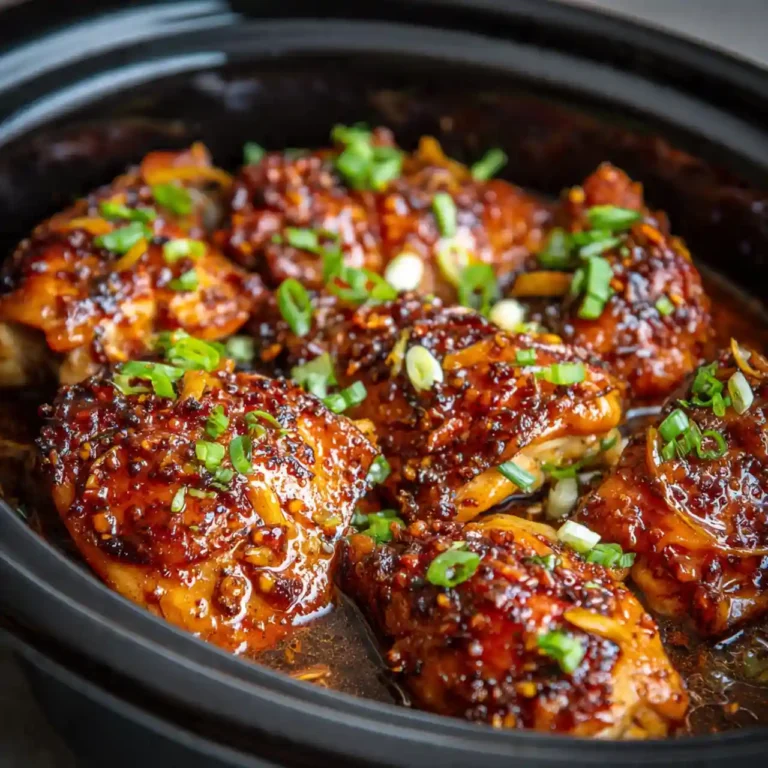
If you love easy dinners like Hot Honey Chicken Bowls or Loaded Potato Taco Bowl, this recipe belongs in your regular rotation.
📌 Don’t Lose This One Pin It Now!
This Garlic Butter Steak Bowl is the dinner you’ve been craving without knowing it — steakhouse flavor, 35 minutes, one pan — save it to your Pinterest board before your next grocery run and thank yourself later.
Garlic Butter Steak Bowl
Ingredients
For the Steak
- 1.5 lbs sirloin ribeye, or New York strip steak about 1 inch thick; one large steak or two smaller ones
- 1 tsp kosher salt
- ½ tsp freshly cracked black pepper
- ½ tsp garlic powder
- 1 tbsp neutral oil avocado oil or vegetable oil; not olive oil which burns at high heat
For the Garlic Butter
- 3 tbsp unsalted butter
- 4 –5 garlic cloves smashed smashed (not minced) so they release flavor without burning
- 2 sprigs fresh thyme or 1 sprig fresh rosemary; both are classic
- Pinch of flaky sea salt for finishing
For the Bowl Base
- 2 cups cooked white rice jasmine or long grain; or substitute brown rice farro, or cauliflower rice
- 2 cups broccoli florets or broccolini asparagus, or green beans
- 1 cup cherry tomatoes halved
- 1 tbsp olive oil for roasting vegetables
- Salt and pepper to taste
For Toppings and Finishing
- 1 avocado sliced
- 2 green onions thinly sliced
- Fresh parsley roughly chopped
- 1 tsp soy sauce or Worcestershire sauce stirred into the pan sauce (optional but adds umami depth)
- Lemon wedges for serving
- Sriracha or chili crisp optional for heat
Instructions
Step 1: Cook Your Rice and Prep Vegetables
- Get your rice going first — it takes the longest. Cook according to package instructions. While it cooks, preheat your oven to 425°F. Toss the broccoli (or your chosen vegetable) with olive oil, salt, and pepper, spread on a baking sheet, and roast for 18–20 minutes until the edges are golden and slightly crispy.
- If you prefer to skip the oven, the vegetables can also be sautéed in a pan alongside the steak prep — just cook over medium-high heat until tender and slightly charred.
Step 2: Bring Steak to Room Temperature and Season
- Take the steak out of the refrigerator at least 15 minutes before cooking. This matters — a cold steak goes into a hot pan and the outside overcooks before the center reaches the right temperature.
- Pat the steak completely dry on both sides with paper towels. This is the single most important thing you can do for a good sear. Season generously on both sides with kosher salt, black pepper, and garlic powder. Press the seasoning gently into the surface
Step 3: Sear the Steak
- Heat a cast iron skillet or heavy stainless pan over high heat for 2–3 full minutes — longer than you think you need. Add the neutral oil and let it heat until it starts to shimmer and just barely smoke.
- Place the steak in the pan and do not move it. Resist every urge to poke, press, or shift it. Cook for 3–4 minutes without disturbing until a deeply golden, mahogany crust forms. You should hear a consistent, aggressive sizzle the entire time. If the sizzling dies down, your pan wasn’t hot enough.
- Flip the steak once. Cook for another 2–3 minutes on the second side.
Step 4: Baste with Garlic Butter
- This is the magic step. Reduce the heat to medium. Add the butter, smashed garlic cloves, and thyme sprigs directly to the pan alongside the steak. The butter will foam immediately — that’s good.
- Tilt the pan slightly toward you so the butter pools at one edge. Using a large spoon, scoop the foaming butter and pour it continuously over the top of the steak. Keep basting — scoop, pour, scoop, pour — for about 60–90 seconds. The steak will take on a glossy, deeply golden sheen. The garlic will turn lightly golden and fragrant. The kitchen will smell extraordinary.
Step 5: Rest the Steak
- Transfer the steak to a cutting board and let it rest, loosely tented with foil, for 5–8 minutes. Do not skip this. The internal temperature will continue to rise slightly (called carryover cooking), and the juices will redistribute throughout the meat.
- While the steak rests, keep the pan over low heat. Add a small splash of soy sauce or Worcestershire if using, and stir the garlic butter gently. This is your bowl sauce. Keep it warm.
Step 6: Slice and Assemble
- Slice the steak against the grain into ½-inch strips. Slicing against the grain shortens the muscle fibers and makes each piece significantly more tender — always worth the extra second of attention.
- Add a scoop of rice to each bowl. Arrange the sliced steak over the rice, then add the roasted vegetables and cherry tomatoes alongside. Fan out avocado slices, scatter green onions and fresh parsley over the top.
- Spoon the warm garlic butter pan sauce over everything rice, steak, vegetables, all of it. Finish with a pinch of flaky sea salt and a squeeze of lemon. Serve immediately.
Video
Notes
📝 Notes
- Best Steak Cuts: Sirloin, ribeye, flank steak, or New York strip all work well and cook quickly for bowl meals.
- Room Temperature Steak: Let the steak sit at room temperature for 20–30 minutes before cooking for more even results.
- Garlic Butter Sauce: Use fresh garlic and real butter for the richest flavor, and add chopped parsley for freshness.
- Do Not Overcook: Cook the steak to your preferred doneness, then let it rest for 5 minutes before slicing.
- Bowl Base: Serve over rice, quinoa, mashed potatoes, cauliflower rice, or mixed greens.
- Veggie Add-Ins: Roasted broccoli, sautéed mushrooms, green beans, or bell peppers pair perfectly with the steak.
- Meal Prep Friendly: Prepare the steak and vegetables ahead of time for quick lunches or dinners throughout the week.
- Storage: Store leftovers in an airtight container in the refrigerator for up to 3 days. Reheat gently to avoid overcooking the steak.