
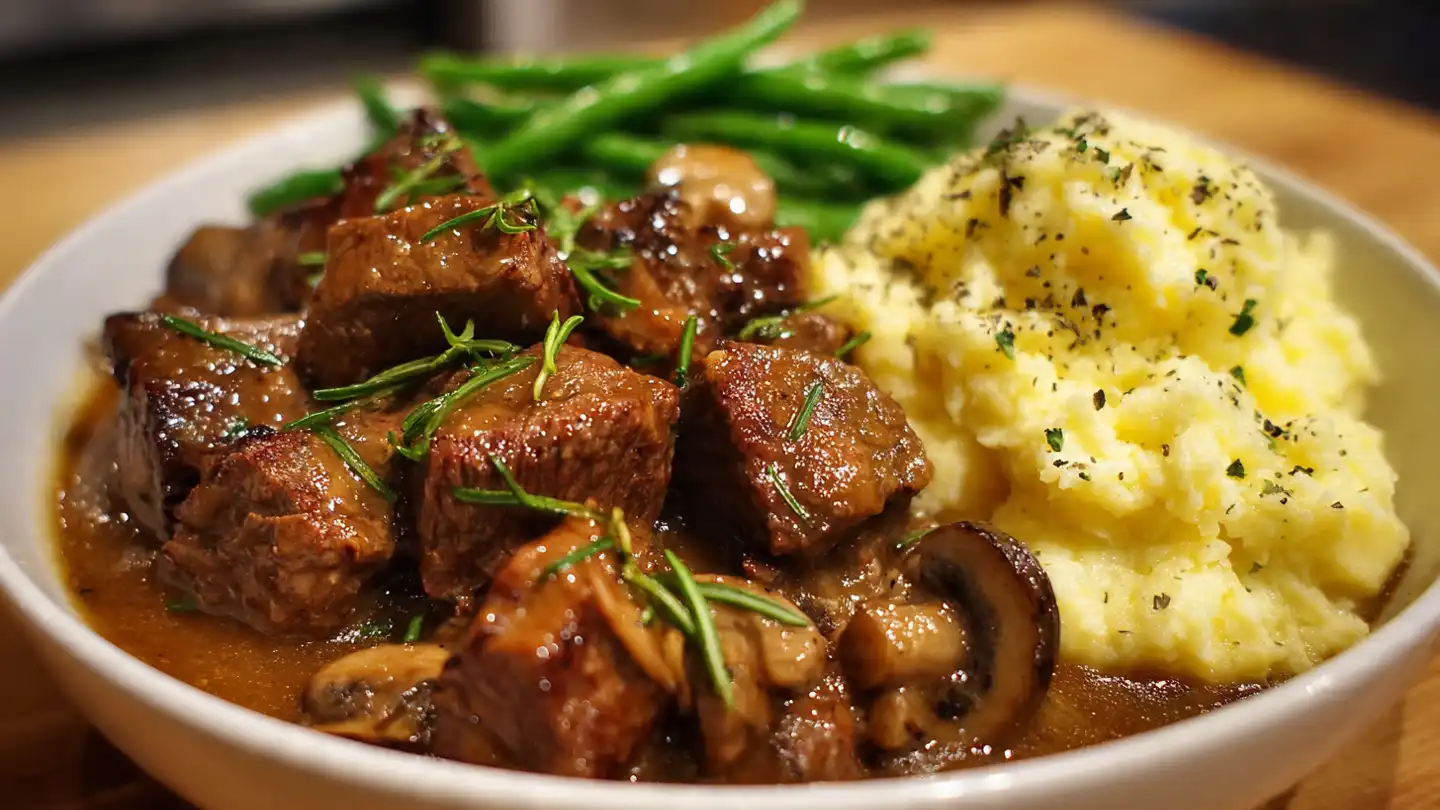
Beef Tips and Gravy is a simple, steady recipe that fits busy nights. It cooks in one pan and makes tender beef with a thick, rich gravy. The flavors feel warm and familiar, and the steps stay easy. Many readers at homeandfiesta ask for meals that don’t need long prep or long lists, and this one fits that need.
You can serve it over mashed potatoes, rice, or noodles. It works well for family dinners because the ingredients are basic. The method is straight. And you can adjust the seasoning to match what you like.
This guide shows you what beef tips are, how to cook them, and why the method works. You’ll also see storage tips, serving ideas, and answers to common questions.
Garlic Beef Tips and Gravy
What Is Beef Tips and Gravy?
Beef tips are small beef chunks cut from sirloin, chuck roast, or stew meat. They cook best when they simmer low and slow. The longer heat softens the meat and brings out flavor.
Gravy forms when you brown the beef, add onions and garlic, and stir in flour and broth. The mix thickens as it simmers. You end up with soft beef and a smooth sauce you can pour over a side.
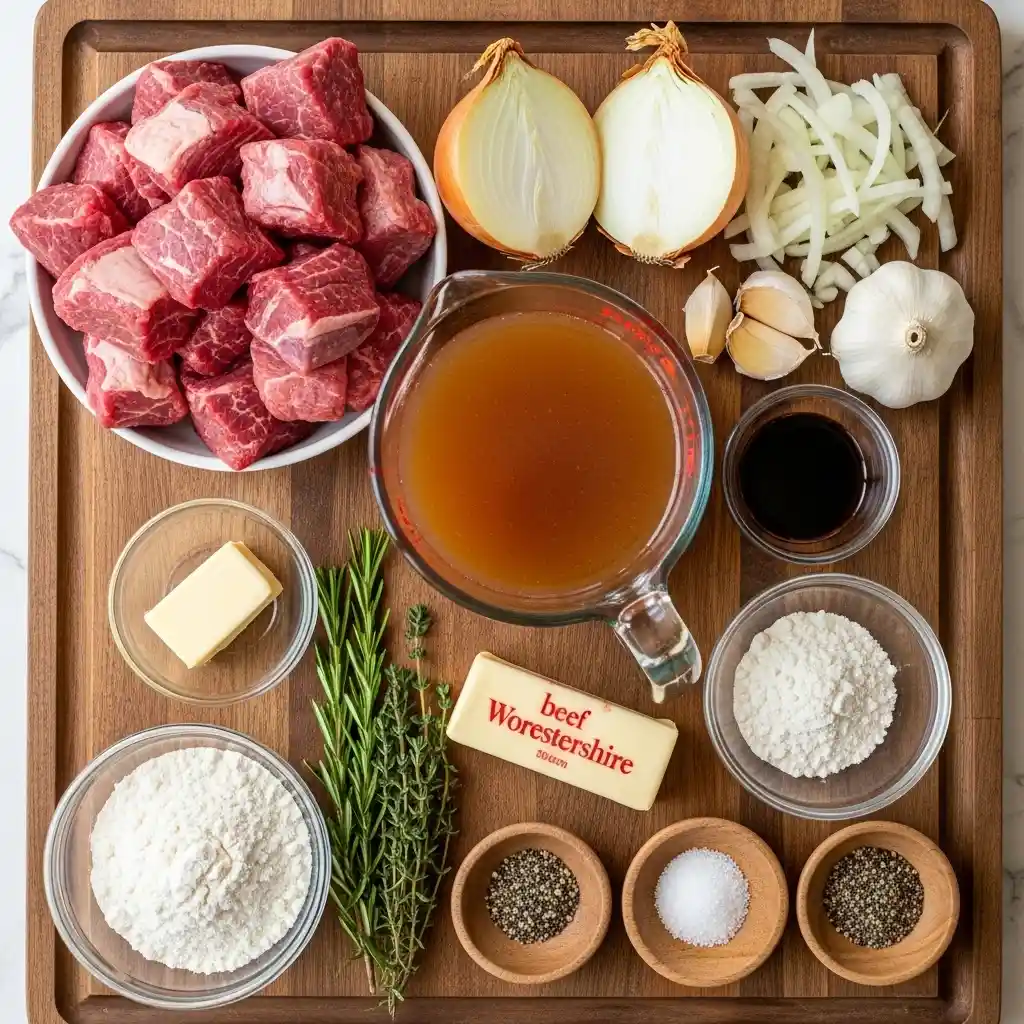
Ingredients You Need
Serves 4 to 5
You only need simple pantry items.
Here’s the exact list:
- 1.5 to 2 pounds beef tips, stew meat, or cubed chuck roast
- 2 tablespoons butter or oil
- 1 medium onion, chopped
- 3 garlic cloves, minced
- 3 tablespoons all-purpose flour
- 3 cups beef broth (use real broth if possible)
- 1 teaspoon salt, more to taste
- 1 teaspoon black pepper
- 1 teaspoon dried thyme or mixed dried herbs
- 1 tablespoon Worcestershire sauce (optional)
- 1 to 1.5 cups sliced mushrooms (optional)
Use low-sodium broth if you want more control over the salt.
How to Make Beef Tips and Gravy
Below is a clear step-by-step guide you can follow without guessing.
1. Brown the beef
Heat a large pan over medium-high. Add a little oil. When the pan feels hot, add the beef in a single layer.
Let it sit for a minute before you stir. The beef should form a brown crust. This crust adds flavor.
Cook the beef in batches if the pan feels crowded. Crowded beef steams and won’t brown well.
2. Cook the onion and garlic
Take the beef out and set it aside.
Add the chopped onion to the same pan. Cook until soft. Add garlic and stir for 30 seconds.
This step builds the base of the gravy.
3. Add flour
Sprinkle flour over the onions. Stir it in. The flour should coat the onions and absorb the fat.
This mix forms the roux, which thickens the gravy.
4. Add broth and seasonings
Pour in beef broth while you stir.
Add salt, pepper, and dried herbs like thyme.
Add a splash of Worcestershire sauce if you want deeper flavor.
5. Simmer
Place the beef back into the pan. Bring the liquid to a low simmer.
Cover the pan and cook for 45 to 60 minutes.
The beef will soften, and the gravy will thicken.
If the gravy looks too thick, add a splash of broth.
If it looks thin, take off the lid and let it simmer to reduce.
6. Taste and adjust
Taste the gravy. Add more salt and pepper if needed.
If you want a bit more color, stir in a small knob of butter at the end.
7. Serve
Serve over mashed potatoes, rice, or buttered noodles.
Spoon the gravy on top so every bite stays moist and warm.
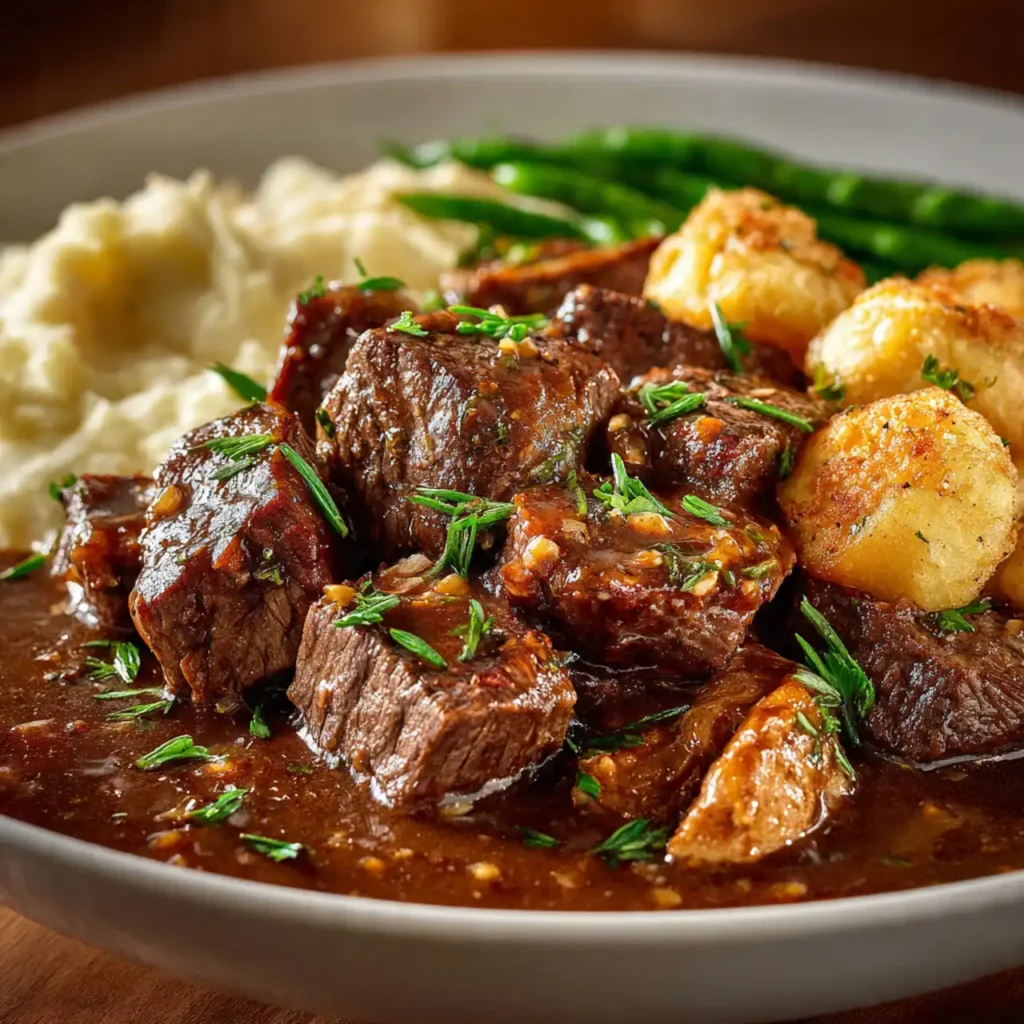
Why This Recipe Works
This recipe uses small steps that support each other. Each step makes the next one better.
- Browning the beef gives the dish a deeper taste. You can’t skip it if you want flavor.
- A slow simmer makes the meat soft. Tough cuts need time to break down.
- Flour and broth thicken the gravy without extra ingredients. You avoid lumps by stirring the flour into the onions first.
- Basic seasonings keep the dish balanced. Nothing feels heavy or too sharp.
These reasons make the recipe steady and predictable. You can make it on a weeknight and know it will turn out well.
Tips for the Best Beef Tips and Gravy
- Cut beef pieces the same size so they cook evenly.
- Don’t rush browning. Color gives flavor.
- Use a heavy pan like cast iron or stainless steel.
- Keep the heat low during the simmer. High heat makes the beef tough.
- Add mushrooms for more depth. Add peas near the end if you want a lighter touch.
What to Serve With Beef Tips
This dish pairs well with sides that hold gravy.
- Mashed potatoes
- White rice or brown rice
- Buttered egg noodles
- Roasted carrots
- Steamed green beans
You can add an internal link here to other side dishes on your site.
Storage and Reheating
Beef Tips and Gravy stores well.
- Store in an airtight container for 3 to 4 days.
- Freeze for 2 to 3 months.
- Reheat on the stove over low heat. Add a splash of broth or water to loosen the gravy.
- Warm it in the microwave in short bursts if you’re in a rush.
Recipe FAQ,s
What cut of beef is best for beef tips?
Sirloin tips, stew meat, or chuck roast work well. These cuts turn soft after a slow simmer.
Can I make beef tips and gravy in a slow cooker?
Yes. Brown the beef first. Then cook on low for 6 to 8 hours. Add the flour near the end, mixed with a little cold water.
How do I thicken the gravy?
Mix a teaspoon of cornstarch with a little cold water. Stir it into the simmering gravy. It will thicken in a minute.
Can I use canned gravy?
You can, but homemade gravy tastes cleaner and has better texture.
Why is my beef tough?
It needs more time. Keep the heat low and give it another 15 to 20 minutes.
Conclusion
Beef Tips and Gravy is a steady recipe you can make on any weeknight. The steps are simple. The ingredients are basic. You get tender beef and smooth gravy without much work.
Try it the next time you want a warm meal that feels satisfying.
If you like recipes like this, check out more comfort meals on homeandfiesta. And if you make it, leave a comment or rating so others can see how it went for you.
Related Recipes :
Roast Beef with Garlic Herb Butter Recipe
Easy Brown Sugar Garlic Chicken Recipe
Garlic Butter Steak Bites Recipe
Beef Tips and Gravy Recipe
Ingredients
- 1.5 to 2 pounds beef tips stew meat, or cubed chuck roast
- 2 tablespoons butter or oil
- 1 medium onion chopped
- 3 garlic cloves minced
- 3 tablespoons all-purpose flour
- 3 cups beef broth use real broth if possible
- 1 teaspoon salt more to taste
- 1 teaspoon black pepper
- 1 teaspoon dried thyme or mixed dried herbs
- 1 tablespoon Worcestershire sauce optional
- 1 to 1.5 cups sliced mushrooms optional
Instructions
1. Brown the beef
- Heat a large pan over medium-high. Add a little oil. When the pan feels hot, add the beef in a single layer.
- Let it sit for a minute before you stir. The beef should form a brown crust. This crust adds flavor.
- Cook the beef in batches if the pan feels crowded. Crowded beef steams and won’t brown well.
2. Cook the onion and garlic
- Take the beef out and set it aside.
- Add the chopped onion to the same pan. Cook until soft. Add garlic and stir for 30 seconds.
- This step builds the base of the gravy.
3. Add flour
- Sprinkle flour over the onions. Stir it in. The flour should coat the onions and absorb the fat.
- This mix forms the roux, which thickens the gravy.
4. Add broth and seasonings
- Pour in beef broth while you stir.
- Add salt, pepper, and dried herbs like thyme.
- Add a splash of Worcestershire sauce if you want deeper flavor.
5. Simmer
- Place the beef back into the pan. Bring the liquid to a low simmer.
- Cover the pan and cook for 45 to 60 minutes.
- The beef will soften, and the gravy will thicken.
- If the gravy looks too thick, add a splash of broth.
- If it looks thin, take off the lid and let it simmer to reduce.
6. Taste and adjust
- Taste the gravy. Add more salt and pepper if needed.
- If you want a bit more color, stir in a small knob of butter at the end.
7. Serve
- Serve over mashed potatoes, rice, or buttered noodles.
- Spoon the gravy on top so every bite stays moist and warm.
Video
Notes
📝 Notes
- Use tender stew meat for best results
- Brown beef before simmering to enhance flavor
- Adjust gravy thickness with flour or cornstarch as needed
- Substitute beef broth with low-sodium or homemade broth
- Add mushrooms or onions for extra depth
- Simmer slowly for more tender, flavorful beef
- Store leftovers in an airtight container in the fridge up to 3 days
- Reheat gently to avoid overcooking the beef