If you want soft, warm dinner rolls that taste fresh and comforting, these homemade buttery dinner rolls are a good place to start. At homeandfiesta, we focus on simple recipes that anyone can make. These rolls fit right in. They’re light, fluffy, and have a rich buttery flavor. You can serve them with soups, holiday meals, or any weeknight dinner.
You only need a few basic ingredients, a bit of kneading, and some rise time. The dough is easy to handle, and the rolls bake up golden every time.
Quick Dinner Rolls Recipe
What Are Homemade Buttery Dinner Rolls?
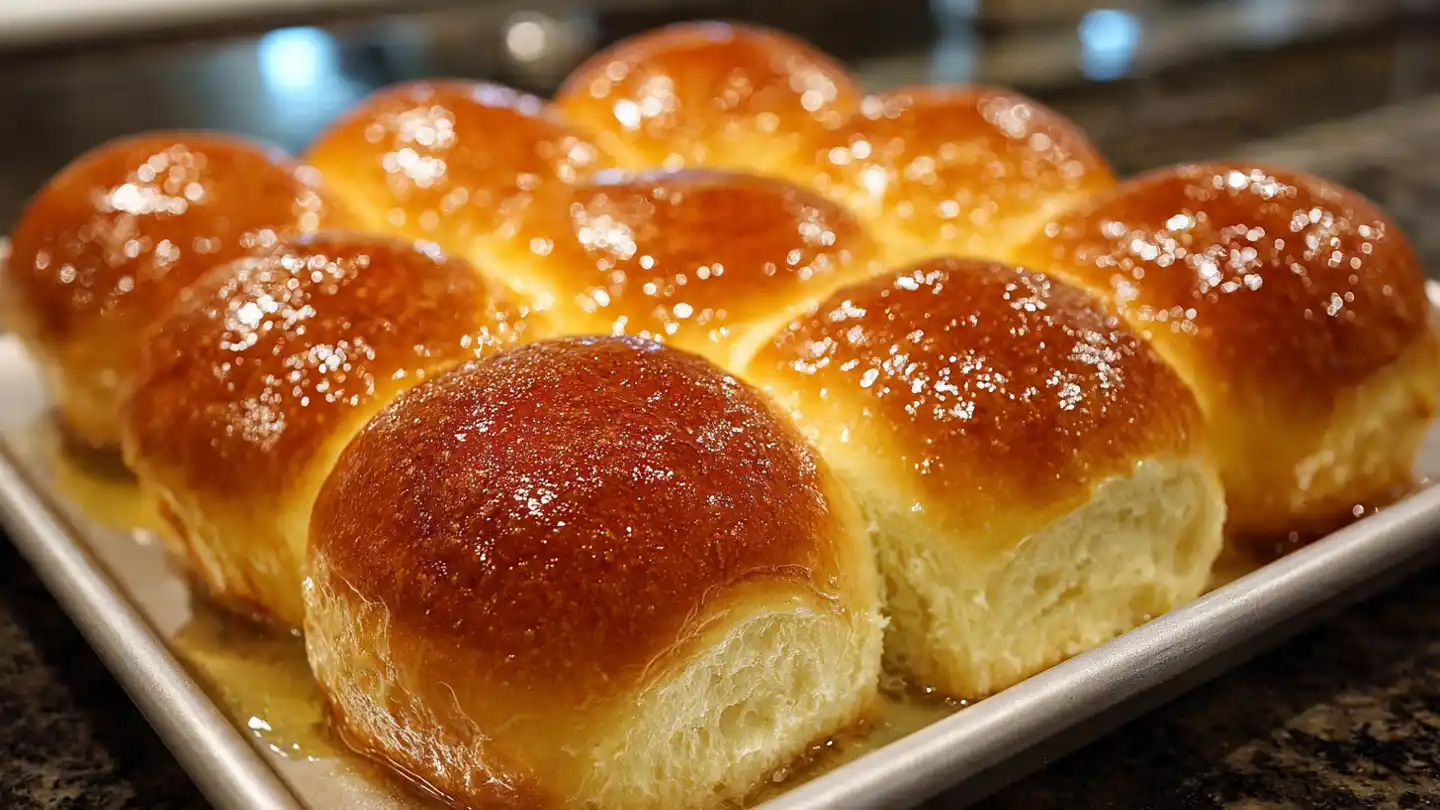
Homemade buttery dinner rolls are soft yeast rolls made with flour, milk, butter, sugar, and salt. They rise twice and bake until golden. When you brush them with melted butter, they turn even softer and richer.
They’re simple bread rolls, but the texture sets them apart. The inside is soft and light. The outside has a thin, tender crust. They work for holidays, everyday meals, and meal prep.
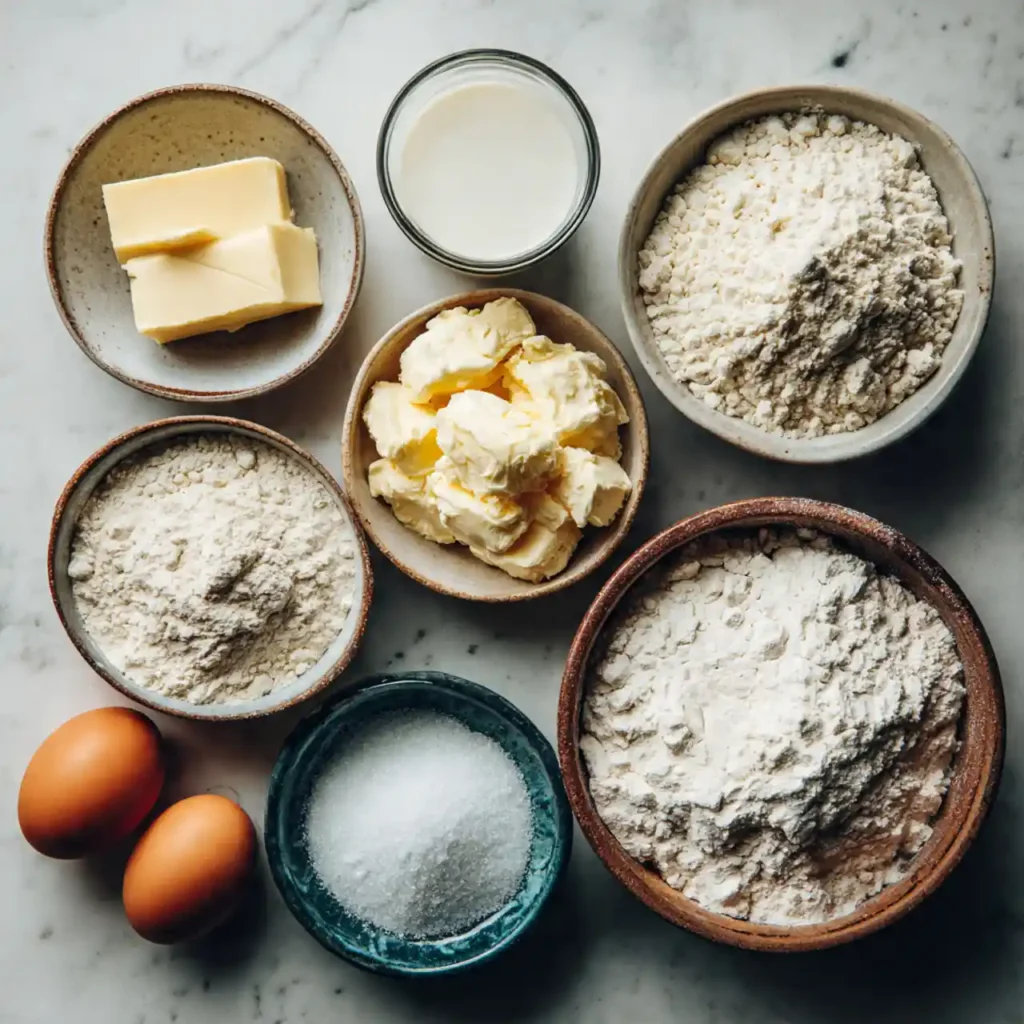
Ingredients You Need
Here’s what you need for about 12 rolls:
Dry Ingredients
- 3 cups all-purpose flour
- 2¼ teaspoons instant or active dry yeast
- 1 tablespoon sugar
- 1 teaspoon salt
Wet Ingredients
- 1 cup warm milk
- 4 tablespoons melted butter
- 1 egg
For brushing
- 2 tablespoons melted butter
How to Make Homemade Buttery Dinner Rolls
Prep:
- Measure all ingredients first.
- Grease a 9×13-inch baking pan or line with parchment.
- Preheat oven only when baking step begins.
1. Activate the yeast (5–10 minutes)
- Warm 1 cup milk until it’s warm to the touch. Aim for 100–110°F (38–43°C).
- Pour the warm milk into a small bowl or measuring cup.
- Stir in 1 tablespoon sugar until it dissolves.
- Sprinkle 2¼ teaspoons yeast over the milk. Do not stir.
- Wait 5–10 minutes. Look for small bubbles or foam on the surface.
- If you see foam, the yeast is active.
- If nothing happens after 10 minutes, discard and try fresh yeast.
2. Make the dough (10–12 minutes active work)
- In a large bowl, whisk together 3 cups all-purpose flour and 1 teaspoon salt.
- Add 4 tablespoons melted butter to the yeast mixture so it cools slightly.
- Crack 1 egg into the milk-butter-yeast mix and whisk briefly.
- Pour the wet mix into the dry ingredients. Stir with a wooden spoon until a shaggy dough forms.
- Turn the dough onto a lightly floured surface.
- Knead by hand for 8–10 minutes until smooth and slightly elastic.
- To knead: push dough away with the heel of your hand, fold it back, rotate, repeat.
- If dough feels sticky, dust with a little flour—one tablespoon at a time. Don’t add too much.
- If dough feels dry or tight, wet your hands with water and continue kneading briefly.
3. First rise (1–1½ hours)
- Lightly oil a large bowl. Place the dough inside and turn once so it’s lightly coated with oil.
- Cover the bowl with a clean towel or plastic wrap.
- Place the bowl in a warm, draft-free spot. Examples: oven with the light on, near a warm stove, or a sunny window.
- Let the dough rise until it doubles in size. This typically takes 1 hour. Cooler rooms take longer.
- To test: gently press two fingers into the dough. If the indent stays, it’s ready.
4. Shape the rolls (10–15 minutes)
- Punch the dough down to release gas. Do this once with a fist.
- Turn the dough onto a lightly floured surface.
- Divide the dough into 12 equal pieces. Use a kitchen scale for exact portions (about 60–65 g each) or eyeball equal sizes.
- To shape a roll: cup your hand over a dough piece and roll it in small circles on the counter until the seam is tucked under and the top is smooth.
- Place each ball seam-side down in the prepared pan. Arrange them so they almost touch for soft sides, or space them apart for separate rolls.
- Cover the pan loosely with a towel or plastic wrap.
5. Second rise (30–45 minutes)
- Let the shaped rolls rise in the pan until puffy and nearly doubled. This takes 30–45 minutes.
- They should look soft and rounded. A gentle poke should slowly fill back in.
- While they rise, set an oven rack to the middle position and preheat the oven to 375°F (190°C) about 10 minutes before baking.
6. Bake (14–18 minutes)
- Uncover the rolls and place the pan in the preheated oven.
- Bake 14–18 minutes. Rotate the pan once halfway through if your oven heats unevenly.
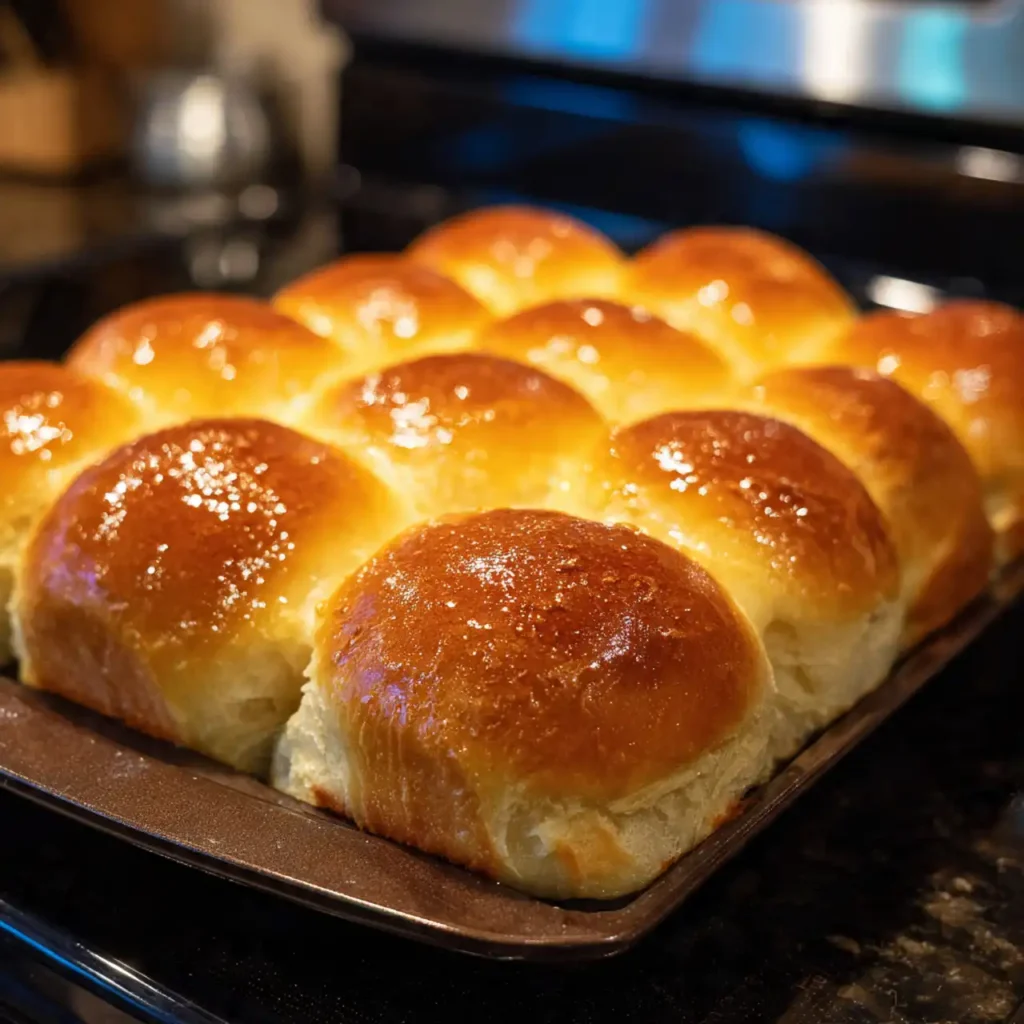
- Look for even golden-brown tops. The internal temperature should read about 190–200°F (88–93°C) if you use an instant-read thermometer.
- If bottoms brown too fast, slide the rolls onto a lighter-colored pan next time.
7. Brush with butter (immediately after baking)
- Let the rolls cool in the pan 5 minutes. Then transfer to a wire rack or serve warm from the pan.
- Melt 2 tablespoons butter in a small bowl or microwave-safe cup.
- Remove the rolls from the oven and brush the tops with melted butter right away.
Quick Troubleshooting & Notes
- Make-ahead: After shaping, cover and refrigerate overnight. Bring to room temp and finish second rise, then bake.
- Dense rolls: You likely under-proofed (didn’t rise enough) or over-kneaded. Give more rise time next time.
- Too sticky to shape: Chill the dough 10 minutes, or lightly flour your hands. Don’t add large amounts of flour.
- Yeast smells odd or no rise: Replace the yeast. Check yeast expiration.
Why This Recipe Works
- Simple steps: The recipe uses basic ingredients and clear steps. It’s easy to follow even if you don’t bake often.
- Soft texture: The warm milk and butter keep the dough tender. The two rises help the rolls stay airy.
- Beginner-friendly dough: The dough is smooth and forgiving. Even uneven shaping still leads to soft rolls.
- Works for any meal: Serve with soup, roast chicken, holiday dinners, or layered with jam.
Tips for Soft and Fluffy Rolls
- Warm milk helps the dough rise faster. Cold milk slows the yeast.
- Don’t rush the rise time. Let the dough double.
- Don’t add too much flour. Slightly sticky dough makes softer rolls.
- Brush with butter right after baking to keep them tender.
- Use a light-colored baking pan so the bottoms don’t over-brown.
How to Store and Reheat Dinner Rolls
- Store: Keep leftover rolls in an airtight container at room temperature for 2 days.
- Reheat: Warm in the microwave for 10–15 seconds, or in the oven at 300°F (150°C) for 5–7 minutes.
- Freeze: Freeze baked rolls for up to 2 months. Wrap tightly in plastic and place in a freezer bag.
To serve frozen rolls, thaw at room temperature, then warm in the oven.
What to Serve With Dinner Rolls
These rolls go well with:
You can also use them for mini sandwiches or sliders.
Recipe FAQs
1. Why didn’t my rolls rise?
Your yeast may have expired, or the milk may have been too hot. Dough also rises slowly in cold rooms. Give it more time.
2. Can I make the dough ahead?
Yes. Make the dough and do the first rise. Shape the rolls, then refrigerate overnight. Let them sit at room temperature for 45 minutes before baking.
3. Can I use whole wheat flour?
You can replace up to half the flour with whole wheat. The rolls will be denser but still soft.
4. Do I need a stand mixer?
No. You can knead by hand. It just takes a bit longer, about 8 to 10 minutes.
5. Can I use water instead of milk?
You can, but milk gives the rolls a softer texture and better flavor.
6. How do I get perfectly round rolls?
Place the dough piece on the counter. Cup your hand around it and roll in small circles. This tightens the surface.
Conclusion
These homemade buttery dinner rolls are simple, soft, and reliable. They work for holidays, everyday meals, and meal prep. The dough comes together fast, and the rolls bake in under 20 minutes.
Try them today and see how easy homemade bread can be. Make a batch for dinner and save a few for sandwiches tomorrow.
If you want more bread recipes, check out other simple ideas on homeandfiesta. You’ll find easy sides, soups, and main dishes that go well with these rolls.

Homemade Buttery Dinner Rolls
Ingredients
Dry Ingredients
- 3 cups all-purpose flour
- 2¼ teaspoons instant or active dry yeast
- 1 tablespoon sugar
- 1 teaspoon salt
Wet Ingredients
- 1 cup warm milk
- 4 tablespoons melted butter
- 1 egg
For brushing
- 2 tablespoons melted butter
Instructions
Prep:
- Measure all ingredients first.
- Grease a 9×13-inch baking pan or line with parchment.
- Preheat oven only when baking step begins.
1. Activate the yeast (5–10 minutes)
- Warm 1 cup milk until it’s warm to the touch. Aim for 100–110°F (38–43°C).
- Pour the warm milk into a small bowl or measuring cup.
- Stir in 1 tablespoon sugar until it dissolves.
- Sprinkle 2¼ teaspoons yeast over the milk. Do not stir.
- Wait 5–10 minutes. Look for small bubbles or foam on the surface.
- If you see foam, the yeast is active.
- If nothing happens after 10 minutes, discard and try fresh yeast.
2. Make the dough (10–12 minutes active work)
- In a large bowl, whisk together 3 cups all-purpose flour and 1 teaspoon salt.
- Add 4 tablespoons melted butter to the yeast mixture so it cools slightly.
- Crack 1 egg into the milk-butter-yeast mix and whisk briefly.
- Pour the wet mix into the dry ingredients. Stir with a wooden spoon until a shaggy dough forms.
- Turn the dough onto a lightly floured surface.
- Knead by hand for 8–10 minutes until smooth and slightly elastic.
- To knead: push dough away with the heel of your hand, fold it back, rotate, repeat.
- If dough feels sticky, dust with a little flour—one tablespoon at a time. Don’t add too much.
- If dough feels dry or tight, wet your hands with water and continue kneading briefly.
3. First rise (1–1½ hours)
- Lightly oil a large bowl. Place the dough inside and turn once so it’s lightly coated with oil.
- Cover the bowl with a clean towel or plastic wrap.
- Place the bowl in a warm, draft-free spot. Examples: oven with the light on, near a warm stove, or a sunny window.
- Let the dough rise until it doubles in size. This typically takes 1 hour. Cooler rooms take longer.
- To test: gently press two fingers into the dough. If the indent stays, it’s ready.
4. Shape the rolls (10–15 minutes)
- Punch the dough down to release gas. Do this once with a fist.
- Turn the dough onto a lightly floured surface.
- Divide the dough into 12 equal pieces. Use a kitchen scale for exact portions (about 60–65 g each) or eyeball equal sizes.
- To shape a roll: cup your hand over a dough piece and roll it in small circles on the counter until the seam is tucked under and the top is smooth.
- Place each ball seam-side down in the prepared pan. Arrange them so they almost touch for soft sides, or space them apart for separate rolls.
- Cover the pan loosely with a towel or plastic wrap.
5. Second rise (30–45 minutes)
- Let the shaped rolls rise in the pan until puffy and nearly doubled. This takes 30–45 minutes.
- They should look soft and rounded. A gentle poke should slowly fill back in.
- While they rise, set an oven rack to the middle position and preheat the oven to 375°F (190°C) about 10 minutes before baking.
6. Bake (14–18 minutes)
- Uncover the rolls and place the pan in the preheated oven.
- Bake 14–18 minutes. Rotate the pan once halfway through if your oven heats unevenly.
- Look for even golden-brown tops. The internal temperature should read about 190–200°F (88–93°C) if you use an instant-read thermometer.
- If bottoms brown too fast, slide the rolls onto a lighter-colored pan next time.
7. Brush with butter (immediately after baking)
- Let the rolls cool in the pan 5 minutes. Then transfer to a wire rack or serve warm from the pan.
- Melt 2 tablespoons butter in a small bowl or microwave-safe cup.
- Remove the rolls from the oven and brush the tops with melted butter right away.
Video
Notes
📝 Notes
- Use warm milk (around 110°F) to help the yeast activate properly.
- All-purpose flour works great, but bread flour gives slightly chewier rolls.
- Let the dough rise in a warm, draft-free spot for best results.
- Brush rolls with melted butter before and after baking for extra softness.
- If dough feels sticky, add 1–2 tablespoons more flour at a time.
- Shape rolls evenly so they bake at the same speed.
- Store baked rolls in an airtight container for up to 3 days.
- Freeze baked rolls for up to 2 months; rewarm in the oven to soften.
🍽️ Nutrition Facts (Per Serving)
Calories: 185Carbohydrates: 26g
Fiber: 1g
Sugars: 4g
Protein: 4g
Fat: 7g
Saturated Fat: 4g
Cholesterol: 30mg
Sodium: 220mg
Potassium: 70mg
Calcium: 30mg
Iron: 1.3mg